
Light rarely holds still through a day. You move from a bright sidewalk to a dim hallway to a screen by a window, and your eyes adjust each time.
Two kinds of lenses take that work off your plate. Photochromic lenses darken in sunlight and clear up again indoors, while sunglasses hold one fixed tint wherever you wear them. Both come in prescription form, and both can block UV.
How Photochromic Lenses Read the Light
Photochromic lenses carry molecules that react to UV radiation. Sunlight hits them, those molecules change shape, and the lens darkens in under a minute.
Head back inside and the reaction runs in reverse. Fading to clear takes a few minutes longer than darkening does, so expect a slight tint on your way through the lobby.
The appeal is that a single pair covers your commute, your desk, and a walk at lunch. No swapping. No second case rattling around your bag.
How Sunglasses Differ From Photochromic Lenses
Sunglasses arrive dark and stay dark. That steady tint suits long stretches outside, where you’d never want the lens to lighten anyway.
Polarized versions add a filter that cuts glare bouncing off water, wet pavement, and snow. We recommend polarized lenses for high-glare settings like driving, boating, and winter sports.
Tint colour matters too. Grey keeps colours looking natural, while brown lifts contrast for hiking or golf. And mirror coatings knock down some of the light before it reaches the lens at all.
Dark Lenses Don’t Always Mean Protection
Here’s a detail plenty of people miss: lens colour tells you nothing about UV coverage. Health Canada points out that you can’t judge protection by price, tint, or how dark a lens looks.
A dark lens with no UV filter can work against you, since your pupils open wider behind it and let more radiation through. Read the label before you buy.
A few things worth checking on any pair you’re considering:
- Labelling that confirms both UVA and UVB protection
- Frames wide enough to shade the skin around your eyes
- Lenses that stay distortion-free when you tilt your head
- Polycarbonate for kids, sports, and anywhere impact is a risk
- A scratch-resistant coating on plastic lenses
Where Photochromic Lenses Come Up Short
Most windshields filter UV, and most photochromic lenses need UV to activate. So they often stay light behind the wheel on a bright afternoon. Ask about the newer formulas that respond to visible light if you drive a lot.
Cold weather slows the reaction as well. On a January morning, your lenses may take their time getting dark.
They also top out lighter than a dedicated sunglass tint. For a full day on the water or the slopes, that gap shows.
Sunglasses Strengths and Limits
The cost of a fixed tint is a second pair to carry, plus a case to keep it scratch-free. Prescription wearers are buying a second set of lenses, which adds up.
Active days are where that extra pair earns its keep. Sports and specialty eyewear sits closer to your face and blocks light sneaking in from the sides.
Kids need their own pair too. The Canadian Association of Optometrists advises sunglasses for infants and children year-round, with plastic or polycarbonate lenses for added impact protection.
Which Option Fits Your Daily Life
Start with where your daylight hours actually go, then work backwards to the lens.
Use this as a rough guide:
- Photochromic for days that bounce between indoors and outdoors
- Sunglasses for driving, boating, skiing, and beach afternoons
- Both if your week covers all of the above
- Clip-ons over your everyday frames if you want a lower-cost option
Plenty of people land on 2 pairs and stop thinking about it. One set of everyday frames for the office and errands, and a pair of prescription sunglasses waiting in the car.
Bring It Up at Your Next Exam
Lens choices get easier with someone who knows your prescription and your habits. An optometrist can walk you through coatings, tints, and materials that suit how you spend your time.
Mention glare on night drives, squinting on your morning walk, or headaches after a long afternoon outside. Those details shape the recommendation far more than the frame you gravitate toward.
An exam also gives your optometrist a look at your overall eye health, which is worth booking on its own schedule regardless of what you decide about lenses.
Ready to Sort Out Your Lenses?
Photochromic or polarized, the right pick starts with a current prescription and a conversation about your routine. Book that first, then have fun with the frames.
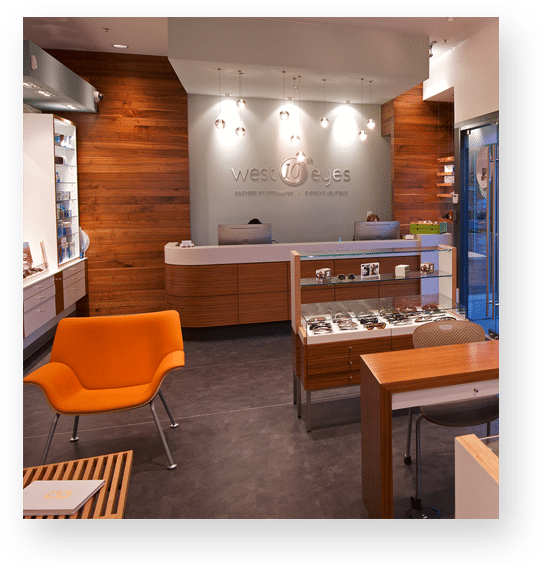
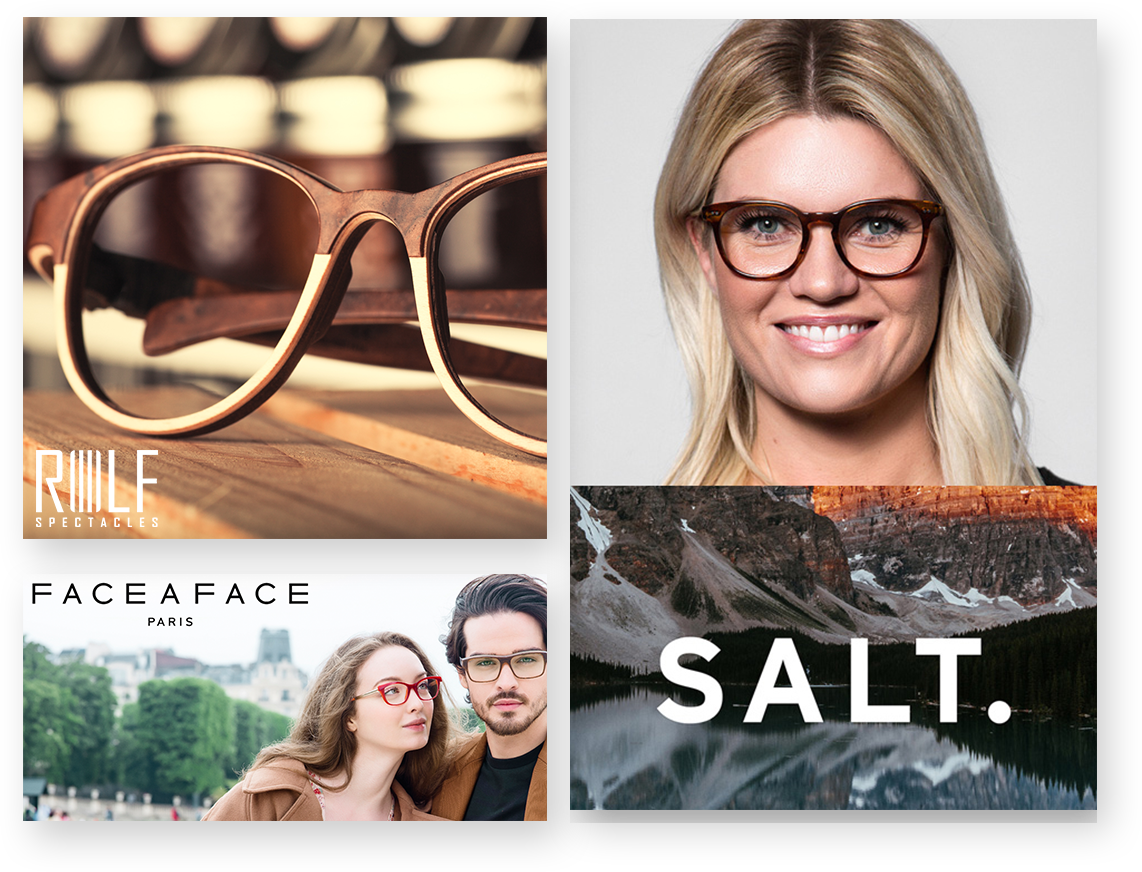
West 10th Eyes carries photochromic options, polarized sunglasses, and designer frames you can try on in person. Request an appointment and bring every lens question you’ve been sitting on.