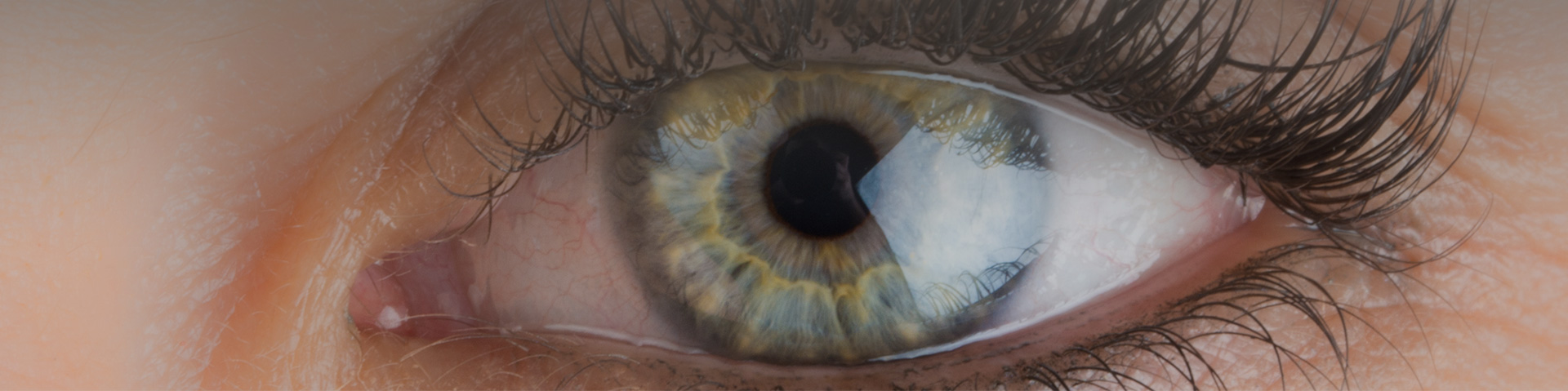

Staring at screens is just a normal part of modern life. But by the evening, your eyes might feel tired and scratchy. You’ve likely seen ads for blue light glasses and wondered whether they actually help.
Blue light glasses filter a portion of the blue wavelengths coming from your screens and lighting, which may add comfort during long screen sessions, though they don’t fix screen strain on their own. A comprehensive eye exam can help show you what your eyes actually need.
Where Blue Light Actually Comes From
You see colour because your eyes pick up different wavelengths of light. Blue light sits near the high-energy end of that visible spectrum, and it reaches you every day.
The sun is the main source by a wide margin, much like the way sunlight sends UV rays toward your eyes. Your phone, laptop, tablet, and LED bulbs also emit blue light, just in much smaller amounts. That means your morning walk gives your eyes more blue light than an afternoon of emails ever could.
How Blue Light Glasses Work
Blue light glasses use a lens coating or tint that blocks a portion of blue wavelengths before they reach your eyes. They don’t remove all of it, and they aren’t meant to.
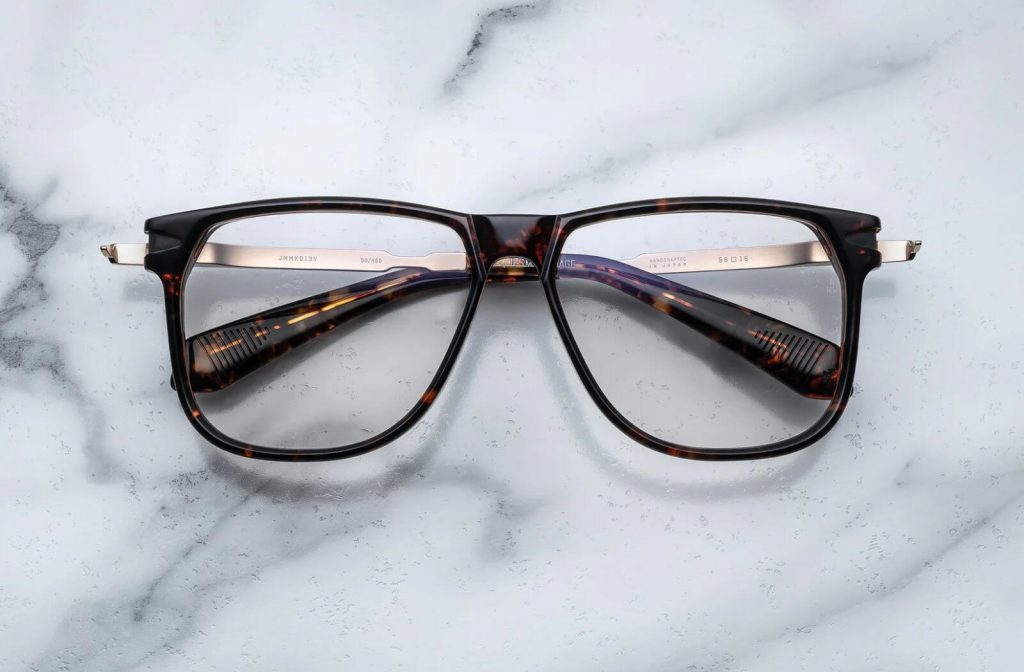
You can pick clear lenses that look like regular glasses or tinted lenses with a faint yellow hue that filters a bit more. Both come in prescription and non-prescription forms, so you can add the filter to glasses you already wear or grab a plain pair for screen time. Your optometrist can help you match the right lens to how you spend your day.
How Blue Light Glasses Affect Screen Comfort
Long hours at a monitor can leave your eyes feeling dry, tired, and a little sore. Some people find that a filtered lens softens glare and makes a bright screen easier to look at across an 8-hour stretch.
Students writing late-night essays and remote workers stuck in back-to-back video calls often notice the difference most. If your eyes ache by dinner, a more comfortable screen view can make those hours feel better.
Blue Light and Your Sleep Routine
Your brain relies on light cues to manage your internal daily clock. Because blue light mimics bright daylight, it tricks your mind into thinking the sun is still up. This exposure slows down the release of melatonin, the hormone that helps you naturally wind down. Blue light in the evening can nudge your body to stay alert when you’d rather sleep.
Wearing filtered glasses after sunset may reduce some of that daylight signal while you scroll or watch a show. Research on sleep quality remains mixed, so consider these lenses just one tool. Put on your glasses in the evening and pair them with a healthy bedtime routine.
What the Research Says
Studies on blue light glasses show limited and mixed results. Several found little measurable change in eye strain compared to regular lenses.
The truth is, most screen-related discomfort comes from staring too long without a break, not from blue light itself. You blink less, your eyes dry out, and the focus muscles tire. Glasses may add comfort, but also adjust your screen habits to see a bigger impact.
How to Know If You Want a Pair
You might like a pair if your day involves heavy screen use and your eyes feel it. Watch for these signs:
- You spend 6 or more hours a day on devices.
- Your eyes feel tired or scratchy by evening.
- You get headaches after long stretches at a monitor.
- You use your phone or tablet right before bed.
If a few of those sound familiar, a blue light lens may be worth trying to see if it improves your daily comfort.
Other Ways to Protect Your Eyes from Screens
Small habits often do more for your eyes than any single product. Try these steps during a long screen day:
- Follow the 20-20-20 rule. Every 20 minutes, look at something 20 feet away for 20 seconds to relax your focus muscles.
- Blink often and sip water throughout the day so your eyes stay moist instead of dry and gritty.
- Lower your screen brightness and switch on night mode in the evening to soften the glow.
Combine these with regular screen breaks, and your eyes can feel fresher long after you close the laptop.
Give Your Eyes the Right Care Day and Night
Blue light glasses can add comfort to a screen-heavy life, though they’re one piece of a bigger picture. The team at West 10th Eyes can walk you through your options and help you choose lenses that fit your lifestyle.
Book an eye exam today and give your eyes the attention they deserve.